| |
|
|
واژه نامه سی. پی. اچ. CPH
Vocabulary
|
|
|
|
|
|
|
No. |
Vocabulary of CPH Theory |
|
واژه نامه نظریه سی. پی. اچ. |
ردیف |
|
2
|
Particle
A CPH is an
existence unit of nature. Another words,
everything is made of CPH. Therefore, a CPH
is appropriately referred to as the unit of
nature. Although, this is not meant to be
the particle as it has been referred to in
physics. A CPH is a tiny constant energy. |
|
ذره
انتخاب کلمه ذره به این دلیل است که در فارسی
و در انگلیسی کلمه ی دیگری یافت نشد که بتوان
جایگزین آن کرد. اما باید توجه داشت که ذره در
اینجا بهیچوجه بیان کننده ی شکل این موجود
فیزیکی نیست. سی.
پی. اچ. یک مقدار بسیار کم و ثابت انرژی است. |
2
|
|
3
|
Fermions
There 12
fermions;
6 Quarks and 6
Leptons;
Quarks; Quarks
are constituents of neutrons and protons and
other hadrons.
There are six different types of quarks; up,
down, charm, strange, top and bottom. Each
quark type is called a flavor.
Leptons; Leptons are fundamentalparticles
that have no strong
interactions. The six known
types of leptons; electron
neutrino, electron, muon
neutrino, muon, tau neutrino and tau. |
|
فرمیونها
فرمیونها به دو دسته کوارکها و لپتونها که
هرکدام شامل 6 ذره هستند تقسیم می شوند.
کوارکها: کوارکها
اجزاء سازنده نوترون، پروتون و سایر هادرونها
هستند. کوارکها به 6 نوع: بالا، پائین، افسون،
عجیب، سر و ته نامیده می شوند. هر کدام از این
کوارکها را طعم نیز می گویند.
لپتونها: لپتونها
ذرات بنیادی هستند که کنش قوی ندارند. لپتونها
نیز به 6 نوع که الکترون،
الکترون-نوترینو، موئون،
موئون-نوترینو، تائو و
تائو-نوترینو نامیده می شوند. |
3
|
|
4
|
Standard
Model
The Standard
Model is the name given to the current
theory of fundamental particles
and how they interact.
This theory includes:
Strong interactions due
to the color
charges of quarks and gluons.
A combined
theory of weak andelectromagnetic
interaction, known aselectroweak
theory,
That
introduces W
and Z bosons as
thecarrier
particles of
weak processes, and photons as mediators to electromagneticinteractions.
The theory
does not include the effects ofgravitational interactions.
Physicists seek a theory that also includes
a correct quantum version of gravitational
interactions, but this is not yet
achieved. Graviton is a boson that it
carries gravity force. |
|
مدل
استاندار
مدل استاندارد نام رایج نظریه ذرات بنیادی و
کنش بین آنها است که شامل: کنش
قوی ناشی از بار-رنگی کوارکها و گلوئونها می
باشد.
یک ترکیبی از کنش الکترومغناطیسی و کنش ضعیف
که اصطلاحاً الکترویک نامیده می شود. کنش
ضعیف توسط بوزونهای W+,
W-, و Z0 حمل
می شود.
کنش الکترومغناطیسی توسط بوزون فوتون حمل می
شود. گراویتون بوزونی است که نیروی گرانش را
حمل میکند .
این نظریه شامل کنش گرانشی نمی شود.
فیزیکدانان در جستجوی یک نظریه کوانتومی هستند
که کنش گرانشی را نیز شامل شود. اما چنین
نظریه ای هنوز یافت نشده است. |
4
|
|
5
|
Higgs Boson
How Particles
Acquire Mass?
Peter Higgs
has a model in which particle masses arise
in a beautiful, but complex, progression. He
starts with a particle that has only mass,
and no other characteristics, such as
charge, that distinguish particles from
empty space. We can call his particle H. H
interacts with other particles; for example
if H is near an electron, there is a force
between the two. H is of a class of
particles called "bosons". |
|
هیگز بوزون
ذرات چگونه جرم کسب می کنند؟
پتر هیگز مدلی ارائه داد که نشان می داد ذرات
چگونه جرم کسب می کنند. وی با ذره ای شروع کرد
به نام هیگز که تنها دارای جرم است و فاقد
سایر ویژگیها از جمله بار الکتریکی است. طبق
نظریه هیگر، هر گاه ذره هیگز نزدیک ذره ای
مثلاً الکترون باشد، بین این دو یک نیرو اعمال
می شود. ذره ی هیگز نیز یک بوزون نامیده می
شود.
|
5
|
|
6
|
Real
Particles
Particles that
can be observed either directly or
indirectly in experiments are real
particles. |
|
ذرات
حقیقی
ذراتی حقیقی، ذراتی هستند که مستقیما یا غیر
مستقیم در آزمایشات مشاهده شوند. |
6
|
|
7
|
Virtual
Particles
Virtual
particles are a language invented by
physicists in order to talk about processes
in terms of the Feynman
diagrams. |
|
ذرات مجازی
فیزیکدانان زبان ذرات مجازی را برای صحبت کردن
در مورد فرایند دیاگرامهای فاینمن و بخشهای آن
است. |
7
|
|
8
|
Antiparticles
In
particle physics, every particle has a
corresponding antiparticle. A particle and
its antiparticle have identical mass and
spin. A
particle and its antiparticle have opposite
values for
all other non-zero quantum
number labels.
These labels are electriccharge, color
charge. |
|
پاد ذرات
در فیزیک ذرات، هر ذره ای یک پاد ذره متناظر
با جرم و اسپین برابر (قدر مطلق) دارد. برچسب
کوانتومی غیر صفر ذره و پاد ذره ی متناظر آن،
دارای علامت مخالف هستند. برچسب کوانتومی ذرات
عبارتند از: بار الکتریکی، بار-رنگی و طعم. |
8
|
|
9
|
Special
Relativity
Einstein's
theory of special relativity results from
two statements -- the two basic postulates
of special relativity:
-
The speed
of light is the same for all observers,
no matter what their relative speeds.
-
The laws
of physics are the same in any inertial
(that is, non-accelerated) frame of
reference.
|
|
نسبیت خاص:
نسبیت خاص انیشتین بر اساس دو اصل موضوع زیر
شکل گرفت:
-
سرعت نور برای همه ی ناظرهای لخت یکسان
است و حرکت نسبی آنها در مورد سرعت نور
اثری ندارد.
-
قوانین فیزیک در تمام دستگاه های لخت
(دستگاه های بدون شتاب) یکسان است.
|
9
|
|
10
|
Quantum
field theory
Quantum field theory is a branch of quantum
mechanics that study of the quantum
mechanical interaction of elementary
particlesand fields.
Quantum field theory applied to the
understanding of electromagnetism is calledquantum
electrodynamics (QED),
and it has proved spectacularly successful
in describing the interaction of light with
matter.
They are usually carried out with the aid of
Feynman diagrams, simple graphs that
represent possible variations of
interactions and provide میسر
ساختن elegant
shorthand for precise mathematical
equations. |
|
تئوری کوانتومی میدان
تئوری کوانتومی میدان بخشی از مکانیک کوانتوم
است که کنش ذرات بنیادی و میدانها را مطالعه
می کند. تئوری کوانتومی میدان برای درک
الکترومغناطیس که الکترودینامیک کوانتومی (QED)بکار
می رود که در توضیح کنش بین ماده و نور موفقیت
خوبی داشته است.
این واکنشها معمولاً بکمک دیاگرامهای فاینمن
بررسی می شود. این دیاگرامها، نمایش هندسی
ساده و زیبایی از کنشهای امکان پذیر و تغییرات
آنها است که بصورتی دقیق، برای مختصر و مفید
کردن معادلات ریاضی است. |
10
|
|
11
|
Quantum
electrodynamics (QED)
Quantum
field theory that
describes the properties of electromagnetic
radiation and
its interaction with electrically charged
matter in the framework of quantum
theory.
The
fundamental equations of QED apply to the
emission and absorption of light by atoms
and the basic interactions of light withelectrons and
other elementary particles. |
|
الکترودینامیک کوانتومی
الکترودینامیک کوانتومی، تئوری
میدان کوانتومی خواص تشعشعات الکترومغناطیسی و
کنش آنها را با ماده ی باردار در چارچوب
مکانیک کوانتوم توضیح می دهد. حوزه ی عمل
معادلات اساسی الکترودینامیک کوانتومی در تابش
و چذب نور توسط اتمها و پایه ی کنش نور و
الکترون و سایر ذرات بنیادی قرار دارد. |
11
|
|
12
|
General
Relativity
Albert Einstein shook
the foundations of physics with the
introduction of his Special Theory of
Relativity in 1905, and his General Theory
of Relativity in 1915. Newton's Law of
Gravitation was only approximately correct,
breaking down in the presence of very strong
gravitational fields.
Principle
of Equivalence
Experiments performed in a uniformly
accelerating reference frame with
acceleration a are indistinguishable from
the same experiments performed in a
non-accelerating reference frame which is
situated in a gravitational field where;
The
acceleration of gravity =
g = -a
=
intensity of gravity field.
This theory,
referred to as the General
Theory of Relativity, proposed that
matter causes space to curve.
|
|
نسبیت عام
انیشتین
سالها قبل از ارائه ی نسبیت عام پیش بینی کرده
بود که گرانش بر مسیر نور اثر می گذارد.
اما برای تدوین نسبیت عام سالها به کمک
گروسمان به مطالعه ی هندسه های نااقلیدسی
پرداخت. و سرانجام در سال 1915 نسبیت عام را
با اصل هم ارزی مطرح کرد.
اصل
هم ارزی:
قوانين فيزیک در یک ميدان جاذبه يكنواخت و در
یک دستگاه كه با شتاب ثابت حركت مي کند، يكسان
هستند.
به عنوان مثال: فرض کنيم یک دستگاه مقايسه ای
با شتاب ثابت در حركت است. مشاهدات در اين
دستگاه نظير مشاهدات در یک ميدان گرانشی
يكنواخت است در صورتي كه شدت ميدان گرانشی
برابر شتاب دستگاه باشد، يعني اگر
a=-g
باشد، در اين صورت مشاهدات يكسان خواهد بود.
طبق نسبیت عام فضا-زمان
خمیده است و هرچه خمیدگی بیشتر باشد، ساعت
کندتر کار می کند. یعنی در میدان گرانشی قوی
تر، ساعت کندتر است. همچنین نور هنگام فرار از
میدان گرانشی، فسمتی از انرژی خود را از دست
می دهد و بسمت سرخ جابجا می شود.
|
12
|
|
13
|
Quantum
Gravity
The quantum
gravity group carries out research on
various aspects of quantum gravity as well
as on some allied areas of mathematical
physics, including certain topics in quantum
mechanics and also in classical general
relativity.
A particular
interest of the research group is the
subject of quantum field theory in curved
space-time. |
|
گرانش
کوانتومی
در گرانش کوانتومی تلاش می شود گرانش را با
ذره ای که نیروی گرانشی را حمل می کند بصورت
ریاضی توضیح داده شود تا بدین ترتیب مکانیک
کوانتوم و نسبیت عام با یکدیگر ترکیب شوند. در
اینجا ذره ای مورد نظر است که موجب انحنای فضا
– زمان می شود.
|
13
|
|
14
|
Quantum chromodynamic (QCD)
Qquantum
field theory that
describes the properties of the strong
interactions between
quarks and between protons and neutrons in
the framework of quantum
theory.
Quarks possess a distinctive property called
color that governs their binding together to
form otherelementary
particles.
Analogous to electric charge in charged
particles, color is of three varieties,
arbitrarily designated as red, blue, and
yellow, and—analogous to positive and
negative charges—three anticolor varieties. |
|
کرمودینامیک
کوانتومی
نظریه مربوط به کوارکها و گلئونها را
کرومودینامیک کوانتومی می نامند. زیرا در این
نظریه برای کوارکها رنگ قائل می شوند.
همان طور كه ذرات مى توانند بار مثبت يا منفى
داشته باشند، كوارك ها هم مى توانند رنگ سبز،
قرمز يا آبى داشته باشند.
تبادل گلوئون ها بین کوارک ها، ذرات بنیادی را
یکپارچه و در کنار هم نگه می دارد، همانگونه
که تبادل فوتون بین الکترونها و پروتونها، اتم
را منسجم نگاه می دارد. تنها اختلاف واقعی آن
است که تبادلات برای برهم کنش های قوی، اندکی
پیچیده تر است. |
14
|
|
15
|
Why did
Strings enter the story?
String theory
is believed to close this gap.Originally,
string theory was proposed as an explanation
for the observed relationship between mass
and spin for certain particles called
hadrons, which include the proton and
neutron. Things didn't work out, though, andQuantum
Chromodynamics ventually
proved a better theory for hadrons.
But particles in string theory arise as
excitations of the string, and included in
the excitations of a string in string theory
is a particle with zero
mass and two units of spin.
If there were
a good quantum theory of gravity, then the
particle that would carry the gravitational
force would have zero
mass and two units of spin. This
has been known by theoretical physicists for
a long time. This theorized particle is
called the graviton.
This led early string theorists to propose
that string theory be applied not as a
theory of hadronic particles, but as a
theory ofquantum gravity,
the unfulfilled fantasy of theoretical
physics in the particle and gravity
communities for decades.
But it wasn't enough that there is a
graviton predicted by string theory. One can
add a graviton to quantum field theory by
hand, but the calculations that are supposed
to describe Nature become useless. This is
because, as illustrated in the diagram
above, particle interactions occur at a
single point of spacetime, at zero distance
between the interacting particles. For
gravitons, the mathematics behaves so badly
at zero distance that the answers just don't
make sense. In string theory, the strings
collide over a small but finite distance,
and the answers do make sense.
This doesn't mean that string theory is not
without its deficiencies. But the zero
distance behavior is such that we
can combine quantum mechanics and gravity,
and we can talk sensibly about a string
excitation that carries the gravitational
force. |
|
چرا نظریه ریسمانها مطرح شد؟
مدل استاندارد كالبد نظريه ميدان كوانتومي را
طراحي مي كند كه ابزاري به دست مي دهد تا
نظريه ها را طوري بسازيم كه شامل مكانيك
كوانتوم و نسبيت
خاص نيز باشند. با
اين ابزارها، نظريه ها طوري طرح ريزي مي شوند
كه موفقيت بزرگي براي توضيح چهار كنش
(نيروي) شناخته شده در طبيعت
را داشته باشند. به
علاوه يك موفقيت بزرگ براي يكسان سازي بين
نيروي هاي الكترومغناطيس و هسته اي ضعيف به
دست آمده كه الكتروويك ناميده مي شود و نظريها
را به سوي كنش هسته اي قوي سوق مي دهد.
اما متاسفانه چهارمين كنش، يعني
گرانش كه به طور زيبايي در نسبيت عام اينشتين
تشريح شده در اين طرح ديده نمي شود و همه
ي تلاشها براي به دست آوردن نسبيت عام از
نظريه ميدان كوانتومي بيهوده بوده است. به
عنوان مثال نيروي بين دو گراويتون بي نهايت مي
شود و ما نمي دانيم چگونه اين بي نهايت را مي
توان توجيه كرد.در
نظريه ريسمانها تعداد بيشماري انواع ذرات
با يك سنگ بناي اساسي
يعني "ريسمان" جايگزين مي شود.
اين ريسمانها
مي توانند شبيه حلقه به يكديگر بسته شوند يا
نظير مو باز شوند.همچنانكه
ريسمان در زمان حركت مي كند، يك لوله يا صفحه
را ترسيم مي كند و با توجه به
شرايط باز يا بسته مي شود.
اما
در واقع یک ریسمان از چه چیزی ساخته شده است؟
یک ریسمان یک مقدار کوچک انرژی است و در اینجا
هیچ چیزی کوچکتر از این مقدار انرژی نیست.
|
15
|
|
16
|
What
is a String?
In string theory, as in guitar playing, the
string must be stretched under tension in
order to become excited. However, the
strings in string theory are floating in
space-time; they aren't tied down to a
guitar. Nonetheless, they have tension. The
string tension in string theory is denoted
by the quantity 1/(2 p a'), where a' is
pronounced "alpha prime "and is equal to the
square of the string length scale.

If string theory is to be a theory of
quantum gravity, then the average size of a
string should be somewhere near the length
scale of quantum gravity, called the Planck
length, which is about 10-33 centimeters |
|
ریسمان چیست؟
رشته سیمهای گیتار را تصور کنید که با کشیده
شدن در طول گیتار کوک شدهاند؛ بسته به آنکه
سیمها چقدر کشیده شوند و تحت فشار قرار گیرند،
نتهای موسیقی مختلفی بوسیله آنها ایجاد
میشود. میتوانیم این نتهای موسیقی را
حالتهای برانگیخته سیمهای گیتار تحت کشش
بنامیم. به طور مشابه در تئوری ریسمان ذرات
بنیادین که در شتابدهندهها مشاهده میشوند را
میتوانیم نتهای موسیقی و یا همان حالتهای
برانگیخته فرض کنیم.
اگر نظریه ریسمان در مورد نظریه گرانش
کوانتومی بکار رود، طول ریسمان نزدیک به طول
پلانک می شود که برابر 10-33 سانتیمتر
است.
|
16
|
|
17
|
Why
did CPH enter the story?
Creative Particles of Higgs
The
greatest problem in theoretical physics is
how quantum mechanics and general relativity
are combinable?
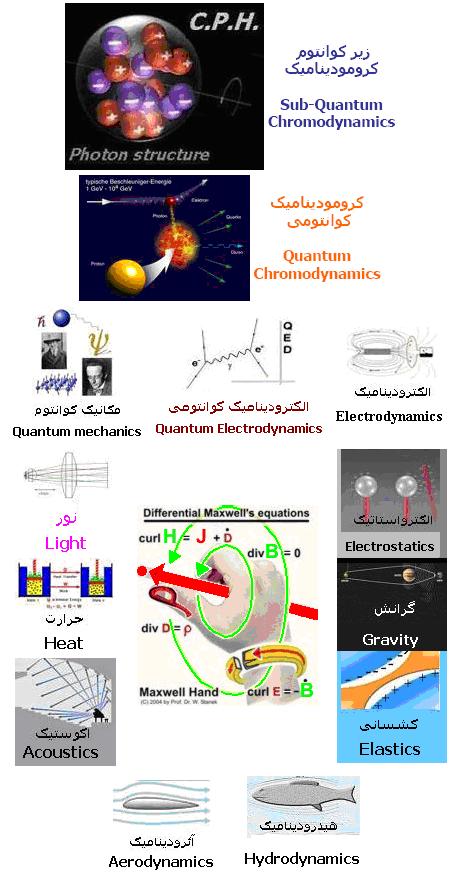
Theory of CPH
takes a new way. CPH Theory has reconsidered
4 theories (Classical Mechanics, Quantum
Mechanics, Relativity and Higg). In fact CPH
Theory is a new looking and developing of Quantum
Chromo-dynamic. So, CPH Theory is
a Sub
Quantum Chromo-dynamic theory.
In CPH theory according to gravitational
blue-shift it has been tried to investigate
the Mössbauer effect and Pound-Rebka
experiments and their interaction between
gravity and photon from point of view Higgs
field. Blue-shift and Mössbauer
effect indicates clearly that three
different Higgs bosons cause increasing
photon mass while they have the
electromagnetic specifications. These Higgs
bosons are called positive and negative
color-charges and color-magnet which is able
explained all physical phenomenons. |
|
چرا نظریه سی. پی. اچ. مطرح شد؟
براي دست يابي به انديشه هاي نوين راه هاي
مختلفي وجود دارد که نتايج متفاوتي خواهند
داشت. اما چون بحث ما در زمينه ي فيزيک است و
فيزيک يک دانش تجربي است، بنابراين بايد
انديشه هاي نوين ما به گونه اي باشد که نظريه
هاي قديمي را تعميم دهد. لذا براي رسيدن به يک
انديشه ي نوين بايد شواهد تجربي را از ديدي
متفاوت مورد بررسي قرار دهيم.
نظريه هاي مورد استناد مکانيک کلاسيک، مکانيک
کوانتوم، نسبيت و نظريه هيگز بوزون است. هرچند
هر کدام از اين نظريه ها داراي محدوديت خود
هستند، اما بايد تلاش کنيم نگرش نوين طوري
باشد که زمينه ي طرح يک نظريه ي جديد را فراهم
آورد. چنين نظريه اي الزاماً بايستي بتواند
نظريه هاي قديمي (مکانيک کلاسيک، مکانيک
کوانتوم، نسبيت و نظريه هيگز بوزون) را به
عنوان حالتي خاص پوشش دهد.
اين موارد و موارد ديگري موجب شد تا نظريه ي
سي. پي. اچ. تدوين و ارائه گردد.
|
17
|
|
18
|
Definition
of a CPH
A CPH
is a Particle with constant mass, mCPH that
moves with a constant speed of VCPH in
any inertial reference frame. According to
the relation mass-energy, the mass of a CPH
is defined relative to photon's mass.
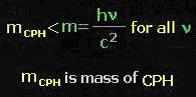
So,
the linear momentum of a CPH can be written
by p=m
VCPH.
A CPH can be shown with zero Higgs boson .
When a CPH has spin, it is called a graviton.
Now as space is full of gravitons, so it can
be said that space is full of CPH. .
When a CPH has spin, it is called a graviton.
Now as space is full of gravitons, so it can
be said that space is full of CPH. |
|
تعریف
سی. پی. اچ.
قسمتی از فضا (دور از اجسام) را مورد توجه
قرار داده و با استفاده از رابطه پلانک و
رابطه جرم_انرژی انیشتین، جرم (انرژی) سی. پی.
اچ. تعریف می شود بصورت زیر تعریف می شود:
بنابراین اندازه حرکت خطی سی. پی. اچ. برابر
است به p=m
VCPH . سی.
پی. اچ. را
می توان هیگز بوزون صفر نامید.
هنگامیکه سی. پی. اچ. دارای اسپین است،
گراویتون نامیده می شود. بنابراین می توان گفت
که فضا انباشته از سی. پی. اچ. است.
|
18
|
|
19
|
Principle of CPH
A CPH is a particle with constant mass (m)
which moves with a constant magnitude of
speed, which equals to VCPH.
The CPH has a momentum of inertia I.
In any interaction between the CPH and the
other existing particles, the magnitude of VCPH is
constant and it does not change. Therefore,
grad VCPH =
0
in all inertial referenceframes
in any space |
|
اصل سی. پی. اچ.
سی. پی. اچ. ذره ای با جرم ثابت است که با
مقدار سرعت ثابت VCPH حرکت
می کند و دارای لختی دورانی I است.
در هر کنش بین سی. پی. اچ. و سایر ذرات موجود،
مقدار این سرعت تغییر نمی کند بطوریکه:
grad VCPH =
0
in all inertial referenceframes
in any space
|
19
|
|
20
|
Color-charges and color-magnet
When a photon is falling and passing through
the gravitational field, gravity works on
the photon. Then the energy of the photon
increases. But this energy of photon depends
on two separate energies; electrical and
magnetic field energies and these energies
increase, too.
When a photon
is falling in the gravitational field; one graviton
behaves like positive electrical charge  while
another graviton behaves like negative
electrical charge while
another graviton behaves like negative
electrical charge  which
these two gravitons annihilate their
electrical charges. The third graviton
behaves like magnetic field which
these two gravitons annihilate their
electrical charges. The third graviton
behaves like magnetic field , ,
In the structure of photon, there are
color-charges ( and) and
color-magnet () which
all of them have spins. These particles are
especial aspects of CPH which are spinning
near each other. |
|
بار-رنگ و مغناطیس رنگ
هنگامیکه فوتون در یک میدان گرانشی سقوط می
کند، گرانش روی آن کار انجام می دهد. آنگاه
انرژی فوتون افزایش می یابد. اما انرژی فوتون
وابسته به دو انرژی مجزا، یکی انرژی میدان
الکتریکی و دیگری انرژی میدان مغناطیسی وابسته
به فوتون است. برای شناخت و بررسی بیشتر این
پدیده تاثیر گرانش بر روی فوتون قابل تعمق
است.
هنگامیکه فوتون در حال سقوط است، در کنش بین
فوتون و گراویتونها، سه نوع گراویتون در کنش
شرکت کرده و وارد ساختمان فوتون می شوند.
یک دسته از آنها رفتاری شبیه میدان الکتریکی
مثبت دارند که بار-رنگ مثبت نامیده
می شوند.
یک دسته رفتاری شبیه میدان الکتریکی منفی
دارند که بار-رنگ منفی نامیده
می شوند و دسته سوم که مغناطیس-رنگ نامیده
می شوند رفتاری شبیه میدان مغناطیسی دارند. که
همه ی آنها در ساختمان فوتون ذارای اسپین
هستند. |
20
|
|
21
|
A new look
at pair production
It has been known before that the production
of a pair is a photon which has no charge
effects. But after of a pair production
there are two charge particles, electron
with negative charge and positron with
positive charge. Let’s look at this
phenomenon precisely, because investigation
about this fact enables us to open a new way
of understanding the essence and effective
charges.
|
|
یک
نگاه جدید به تولید زوج
در تولید زوج الکترون-پوزیترون، یک فوتون که
از نظر الکتریکی خنثی است، به دو ذره ی باردار
واپاشیده می شود. اجازه دهید یک نگاه جدید به
این پدیده بیندازیم. زیرا اگر با دقت و با
نگاه متفاوت آن را بررسی کنیم، می تواند ما را
در درک ماهیت ذرات باردار یاری کند تا ساختار
آنها را بشناسیم.
در فرایند تولید زوج یک فوتون گاما به دو ذره
ی باردار الکترون و پوزیترون واپاشیده می شود.
توجه به این فرایند می تواند ما را در درک
عمیقتر ماهیت بارهای الکتریکی و آثار آنها
رهنمون شود. |
21
|
|
22
|
Notices about pair production
1- Gravitational
field is formed of exchangeable particles
that have electrical and magnetic effect
(color-charge and color-magnet). Because, in
gravitational field electromagnetic energy
of photon increases.
2- Color-charges
combine and produce charge particles.
3- Color-charges
have two opposite signs, negative and
positive that there are in the structure of
photon.
4- In
production of matter and anti-matter,
negative color-charges combine with each
other, and positive color-charges combine
with each other, too. Then they do form
positive and negative charge particles.
5- The
reason that gravitons combine with each
other is that they have color-charge effect.
So, space-time is able to produce
electromagnetic energy.
6- Every
charge particle (also quarks) is formed of
color-charges. This looking on charge
particles enables us to explain why our
visible universe is made of matter.
Therefore, the number of negative
color-charges shall be equal to the number
of positive color-charge in any production
of matter and anti-matter.
7- So
far all of experiments about light and also
the constancy of its speed in relativity
theory domain have not been explained about
the structure of light, but here by
presenting CPH entity all of them would be
explainable.
|
|
نکاتی در مورد تولید زوج.
1- میدان
گرانشی شامل ذرات تبادلی برای انتقال گرانش
است. ذرات تبادلی گرانش دارای آثار الکتریکی و
مغناطیسی هستند. (بار-رنگها و مغناطیس-رنگ).
زیرا در میدان گرانشی انرژی الکترومغناطیسی
فوتون افزایش می یابد که دلیل وجود و ورود این
ذرات به ساختمان فوتون است.
2- بار-رنگها
با هم ترکیب می شوند و ذرات باردار را بوجود
می آورند.
3- بار-رنگها
دارای دو علامت مخالف هستند، بار-رنگهای مثبت
و منفی که در ساختمان فوتون وجود دارند. تعداد
بار-رنگهای مثبت و منفی با هم برابر است و اثر
الکتریکی همدیگر را خنثی می کنند.
4- در
تولید ماده و پاد ماده، بار-رنگهای منفی با هم
ترکیب می شوند و ذرات باردار منفی را ایجاد می
کنند. بهمین ترتیب بار-رنگهای مثبت نیز با هم
ترکیب می شوند و ذرات باردار مثبت را بوجود می
آورند.
5- دلیل
اینکه گراویتونها با هم ترکیب می شوند این است
که دارای اثر بار-رنگی هستند. بهمین دلیل است
که فضا-زمان انرژی الکترومغناطیسی تولید می
کند.
6- همه
ذرات باردار از جمله کوارکها از بار-رنگها
ساخته می شوند. این نگرش به ذرات باردار، ما
را قادر می سازد تا دلیل اینکه چرا جهان قابل
رویت از ماده ساخته شده، توضیح دهیم. در
فرایند تولید ماده و پاد ماده تنها تساوی
بار-رنگهای مثبت و منفی قبل و بعد از تولید
مساوی باشند. هر فرایندی که این تساوی را بهم
بزند مجاز نیست.
7- در
تمام آزمایشات مربوط به نور و همچنین سرعت آن،
به ساختمان فوتون توجه نشده است. اما نظریه
سی. پی. اچ. اساس کار خود را بر تعریف ساختمان
فوتون بنا نهاده است. |
22
|
|
23
|
Thermodynamics laws, Entropy and CPH Theory
Thermodynamic
Laws have assigned a part of physics to
itself. But these laws have been given in a
period that relativity and quantum physics
had not been developed and it has not
changed yet but its description has been
implemented. Now, after a lot of improvement
in modern physics, especially in fundamental
particles, re-investigation in the
thermodynamic laws and entropy is an
essential necessity. From the other hand,
with presentation of CPH Theory by H. Javadi
in 1987[4], a new definition of energy has
been considered. In this article it is tried
to extract thermodynamic laws from CPH
theory. From CPH point of view, energy
(heat) which has been introduced is matter
that has a transfer limit speed c in
inertial frame. This assumption has been
prepared the basis of theoretical
thermodynamic law and entropy which can be
simplified by CPH principle. |
|
ترمودینامیک، انتروپی و نظریه سی.
پی. اچ.
ترمودینامیک و قوانین
آن بخش مهمی از فیزیک را بخود اختصاص داده
است. اما این قوانین در زمانیتدوین شد که هنوز
نسبیت و فیزیک کوانتوم ارائه نشده بود و
تاکنون نیز تغییر نکرده و تنها
تفسر آن کاملتر شده است. اما امروزه با پیشرفت
حیرت انگیزی که در فیزیک مدرن بویژه
ذرات بنیادی بوجود آمده، الزاماً قوانین
ترمودینامیک و نگرش به انتروپی باید مورد
بازبینی مجدد قرار گیرد. از طرف دیگر با ارائه
نظریه سی. پی. اچ. توسط حسین جوادی
و باتوجه
به تعریف جدیدی که از انرژی داده شده، لزومبررسی
مجدد قوانین ترمودینامیکی
را با در نظر گرفتن اصل سی. پی. اچ. و
ویژگیهای آن، احساس می شود. در
این مقاله سعی شده
تا قوانین ترمودینامیک از اصل سی. پی. اچ.
استخراج شود. از
دیدگاه نظریه سی. پی. اچ.
کمیتی را که ما بعنوان انرژی (یا گرما) معرفی
می کنیم، همان ماده است که با سرعت
انتقالی حد c در
دستگاه لخت حرکت می کند. این نگرش،
شالوده نظری قوانین ترمودینامیک و انتروپی را
فراهم آورده و با استفاده از اصل
سی. پی. اچ. قوانین ترمودینامیک و انتروپی
بسادگی قابل اثبات است. |
23
|
|
24
|
Heat
energy in CPH theory
In CPH theory,
energy is the same as a matter transfers
with a high speed. In the other word, energy
moves with speed of light c, and matter
moves with speed of v, that v<c. So, speed
of heat is c, too, because it is a kind of
energy, in fact heat energy is an
electromagnetic wave. According to the CPH
theory, everything is made of CPH, and a CPH
has a constant energy which is equal to:
ECPH=T+S
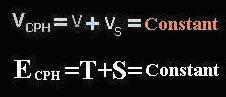
Here T is
transferring energy and S is spinning energy
of a CPH. So, temperature of a system such
as a gas depends on T of CPH in system. When
a system takes heat, in fact transferring
energy of CPH which its system is made of
itself increases. |
|
انرژی گرمایی و نظریه سی. پی. اچ.
در نظریه سی. پی. اچ.، انرژی همان ماده است و
تنها تفاوت آنها در اختلاف سرعت انتقالی آنها
است. به توجه به خواص سی. پی. و هامیلتونی سی.
پی. اچ.
ECPH=T+S
درجه حرارت یک سیستم تابع T یعنی
انرژی انتقالی سی. پی. اچ. های تشکیل دهنده آن
است.
از دیدگاه نظریه سی. پی. اچ. کمیتی را که ما
بعنوان انرژی معرفی می کنیم، همان ماده است که
با سرعت انتقالی حد c در
دستگاه لخت حرکت می کند. و ماده چیزی جز انرژی
نیست که با سرعت v<c منتقل
می شود. نسبت به یک دستگاه لخت مقدار v بین
صفر و c |
24
|
|
25
|
The basis
of the energy level of fundamental particles
CPH theory
definition of the basis of the energy level
of a fundamental particle is based on its
essential properties. A fundamental particle
such as an electron has a few properties
that it does differ from the other
particles. If an electron looses one of
these properties, then it is not an
electron. If a fundamental particle looses
all its energy, without loosing itself
substantial properties, then it is at the
basis of the level of energy.
Also, a system
(of atoms or molecules) is at the basis of
the energy level, if it looses all its
energy and its particles keep their
properties. |
|
حالت پایه ذرات بنیادی از دیدگاه نظریه سی.
پی. اچ.
در نظریه سی. پی. اچ. همه ذرات از تعدادی سی.
پی. اچ. تشکیل شده اند. بنابراین یک اتم متحرک
دارای دو گونه سی. پی. اچ. است، یکی سی. پی.
اچ. هایی که ساختمان ذاتی ذرات را شکل می دهند
و دیگری سی. پی. اچ. هایی که عامل انرژی این
ذرات است.
منظور از خواص ذاتی، همه ی کمیتهایی است که
ذرات را از یکدیگر متمایز می کند. مثلاً انرژی
ذرات از ویژگی ذاتی آنها محسوب نمی شود، در
حالیکه بار الکتریکی الکترون از ویژگی های
ذاتی آن است. حالت پایه ذرات، حالتی است که
ذرات دارای ویژگیهایی ذاتی خود هستند، بطوریکه
با کمترین انرژی ممکن می توانند انسجام اتمی و
مولکولی خود را حفظ کنند. |
25
|
|
26
|
Negative
power of a system
Consider a
system at temperature T. According to what
has been given in the above section, charge
particles work on each other and emit heat
energy in the system. Also, at high
temperature, they work faster than lower
temperature and the system looses its
energy. So, there is a work function for the
system in CPH theory which can be given as;
W=W(T) <0
The system
looses its internal energy continuously,
because work of the system is negative on
itself. So, the system has a negative power
(P) that can be defined;
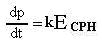
Here dp/dt is
variation of power of the system versus a
domain of time. And k is given by (Formula
10);
k=k1-k2
k1 is
the number of CPH that leaves the system and
k2 is
the number of CPH that enters into the
system. If k>0, then power of the system is
negative, it means that the system is
loosing its heat, like a warm shot in the
cold water. If k<0, then the system power is
positive and system temperature is
increasing, like a cold shot in the warm
water. If k=0, then the system is in thermal
equilibrium. And finally in the isolated
system, we have the following relations: k>0
and p2<p1.
|
|
توان منفی یک سیستم
ذرات درون سیستم روی یکدیگر کار انجام می دهند
و موجب تابش گرمایی می شوند. بنابراین می توان
یک تابع کار دورنی برای سیستم تعریف کرد که
تابع دمای سیستم است. هرچه دمای سیستم بالاتر
باشد، کار بیشری انجام می شود. اما کار انجام
شده توسط سیستم روی خودش منفی است، زیرا بر
اثر این کار، سیستم گرما منتشر می کند و از
دمای آن دائماً کاسته می شود. در هر صورت تابع
کار بصورت زیر است:
W=W(T)<0
چون کار انجام شده روی سیستم منفی است،
بنابراین انرژی درونی سیستم دائماً کاهش می
یابد. از طرف دیگر هرچه کار بیشتری توسط سیستم
روی خودش انجام شود، دما بیشتر کاهش می یابد.
بنابراین توان هر سیستمی با گذشت زمان کاهش می
یابد. اگر توان سیستم را با p نشان
دهیم می توان برای هر سیستم اختیاری بصورت زیر
تعریف کرد:
که در آن dp/dt تغییرات
توان سیستم نسبت به زمان و k جمع
جبری تعداد سی. پی. اچ. های خروجی و ورودی به
سیستم در واحد زمان است. یعنی:
k=k1-k2
که در آن k1 تعداد
سی. پی. اچ. های خروجی و k2تعداد
سی. پی. اچ. های ورودی به سیستم است. اگر k>0
باشد، توان کاهش می یابد، زیرا تعداد سی. پی.
اج. های خروجی بیشتر از تعداد ورودی است و
سیستم در حال سرد شدن است مانند تابه ای که از
روی اجاق برداشته شود. اگر k<0
باشد، توان سیستم رو به افزایش است مانند گاز
در حال گرم شدن. |
26
|
|
27
|
First Law (conventional
physics)
In any
process, the total energy of the universe
remains constant. More simply, the First Law
states that energy cannot be created or
destroyed; rather, the amount of energy lost
in a process cannot be greater than the
amount of energy gained.
First Law (CPH theory)
Everything is
made of CPH. A CPH has constant energy by
itself and it cannot be created or
destroyed.
|
|
قانون
اول (دیدگاه کلاسیک)
اگر سیستمی فقط به طریقه بیدررو از یک حالت
اولیه به یک حالت نهایی برده شود، کار انجام
شده برای تمام مسیرهای بیدررو که این دو حالت
را به یکدیگر مربوط کنند، یکسان است.
قانون
اول : نظریه
سی. پی. اچ.
هر سیستمی روی خودش کار منفی انجام می دهد که
مقدار آن برابر است با تابش ذاتی سیستم. برای
ثابت ماندن انرژی درونی یک سیستم باید به
سیستم انرژی داده شود، مقدار انرژی لازم برای
ثابت نگاه داشتن انرژی درونی سیستم برابر است
با کار منفی که سیستم روی خودش انجام می دهد.
به عبارت دیگر اگر سیستم با توان p روی
خودش کار انجام دهد، یعنی با توانP تابش
کند، برای ثابت نگاه داشتن انرژی درونی سیستم
باید به همین میزان به سیستم انرژی داده شود. |
27
|
|
28
|
Second Law (conventional
physics)
There is no
process that, operating in a cycle, produces
no other effect than the subtraction of a
positive amount of heat from a reservoir and
the production of an equal amount of work.
Second Law
(CPH theory)
Any system or
process has a negative power P that looses
its energy, and the input power P1 into
the system is less than the output power P2 obtained
from the system, therefore, P2<P1.
|
|
قانون
دوم (دیدگاه
کلاسیک)
هیچ فرآیندی که تنها نتیجه آن جذب گرما از یک
منبع و تبدیل گرما به کار باشد، امکان پذیر
نیست. به بیان دیگر میتوان گفت که امکان
ندارد که تنها اثر یک ماشین چرخهای آن باشد
که بطور مداوم آزمایشهای مربوط به گرما را از
جسمی به جسم دیگر با دمای بالا منتقل کند.
قانون دوم ترمودینامیک از دیدگاه نظریه سی.
پی. اچ.
هر فرایندی که انرژی را به کار تبدیل می کند،
دارای توان منفی p است
که برابر است با کاری که فرایند روی خودش
انجام می دهد که موجب تابش می شود. بنابراین
هیچ ماشین آرمانی که بتواند همه ی انرژی
دریافتی را بکار تبدیل کند وجود ندارد. بعبارت
دیگر، اگر به یک فرایند که انرژی را بکار
تبدیل می کند با با توان p1 انرژی
دارده شود، بازدهی فرایند برابر p2 خواهد
بود که از رابطه ی زیر به دست می آید:
p2=p1-p
از آنجاییکه هر سیستمی با توان p>0
روی خودش کار منفی انجام می دهد، بنابراین
همواره
P2<P1
|
28
|
|
29
|
Third Law (conventional
physics)
As temperature
approaches absolute zero, the entropy of a
system approaches a constant.
The Third Law
deals with the fact that there is an
absolute constant in the universe known as
absolute zero.
Third Law
(CPH theory)
According to
the above statements as forming of the
fundamental particles begin after energy
level basis; therefore, a system can never
approach to the basis of the energy level. |
|
قانون سوم (دیدگاه کلاسیک)
این قانون بیان میکند که ممکن نیست از طریق
یک سلسله فرآیند متناهی به صفر مطلق دست یافت.
به عبارتی رسیدن به صفر مطلق محال است. البته
به نزدیکیهای صفر مطلق میشود رسید، اما خود
صفر مطلق قابل دسترس نمیباشد.
قانون سوم ترمودینامیک از دیدگاه نظریه سی.
پی. اچ.
هر سیستمی با توان p روی
خودش کار منفی انجام می دهد، طی هیچ فرایند
فیزیکی وجو ندارد که بتوان p یک
سیستم را صفر کرد. |
29
|
|
30
|
Entropy (conventional
physics)
Quantitatively, Claudius states the
mathematical expression for this theorem is
as follows. Let δQ be
an element of the heat given up by the body
to any reservoir of heat during its own
changes, heat which it may absorb from a
reservoir being here reckoned as negative,
and T the
absolute temperature of the body at the
moment of giving up this heat, then the
equation:

must be true
for every reversible cyclical process, and
the relation:

must hold good
for every cyclical process which is in any
way possible.
Entropy (CPH theory)
Entropy (S) of
a system is equal to its negative power (P),
P=S>0, so entropy of a system approaches to
zero only at the basis of the energy level.
|
|
انتروپی (دیدگاه کلاسیک)
انتروپی پخش شدن خود به خودی انرژی را نشان می
دهد: در يک دمای خاص،چه مقدار انرژی در يک
فرآيند پخش می شود يا با چه وسعتی پخش می شود.
بعبارت دیگر انتروپی
(S)
کمیتی ترمودینامیکی است که اندازهای برای
درجه ی بینظمی در هر سیستم است. هر چه درجه ی
بینظمی بالاتر باشد، آنتروپی بیشتر است.
انتروپی از دیدگاه نظریه سی. پی. اچ.
انتروپی یک سیستم برابر است با کار منفی که
سیستم روی خودش انجام می دهد و موجب تابش
انرژی با توان p می
گردد. هرچه توان سیستم در تابش بیشتر باشد،
انتروپی آن نیز بیشتر است. بنابراین اگر
انتروپی سیستم را با Sنشان
دهیم، خواهیم داشت:
S=p
اگر
کار منفی یک سیستم روی خودش را که موجب تابش
آن سیستم می شود، بعنوان یک اصل بپذیریم که با
تجربه کاملاً تطبیق می کند، تمام قوانین
ترمودینامیک را می توان با استفاده از آن
بسادگی و به وضوح تعریف کنیم.
|
30
|
|
31
|
CPH and
Special Relativity Theories
The special
relativity had been discussed in two
principles:
2. The
laws of physics are the same in all inertial
frames of reference.
2. The
speed of light in a vacuum is a universal
constant © which is independent of the
motion of the light source.
In
the structure of photon, CPH spin and its
movement around y and z axes are dependent
on interaction between the numbers of CPH in
photon. This means that linear speed on x
axis should be constant and equal to the
maximum of speed © in all inertial frames in
vacuum. As a result, the constant speed of
light in vacuum and in inertial frames is
quite logical and it is not a phenomenon
happened by a chance.
|
|
نظریه
سی. پی. اچ. و نسبیت
خاص
نسبیت خاص با نفی دستگاه مرجع مطلق «اتر» با
دو اصل موضوع:
1 - قوانین فیزیک در تمام دستگاه های لخت
یکسان است.
2 - سرعت نور در فضای تهی نسبت به همه ی
ناظران لخت ثابت و برابر c است.
هنگامیکه یک فوتون شکل می گیرد، خواص باررنگی
و مغناطیس -رنگی عامل حرکت سی. پی. اچ. ها در
میدانهای مغناطیسی و الکتریکی اطراف فوتون
هستند. اسپین فوتون نیز به دلیلgradVCPH=0 است.
میدانهای الکتریکی و مغناطیسی نیز دائماً در
حال تغییرند، و همین عوامل موجب ایجاد اسپین
فوتون می گردد. لذا ثابت بودن سرعت انتشار
فوتون (نور) در خلاء تابع نیروهای اعمال شده
بر ذرات تشکیل دهنده ی آن (سی. پی. اچ. ها) و
محیط انتشار است. لذا در خلاء و در دستگاه لخت
که این نیروها ثابت هستند، سرعت انتشار فوتون
نیز ثابت است. |
31
|
|
32
|
Relativistic mass
According to
CPH Theory when a force is applied to an
object then object's velocity
increases (in an inertial frame) a lot of
CPH enters into the object. Because the mass
(or energy) of an object depends on the
number of its CPH.
|
|
رم
نسبیتی
برای اثبات تغییر جرم بر اثر تغییر سرعت، می
توان از اصل سی. پی. اچ. بطور مستقیم استفاده
کرد.هنگامیکه
نیرویی روی یک جسم کار انجام می دهد، نیرو به
انرژی تبدیل و وارد ساختمان جسم می شود. بدیهی
است که مقدار تغییر جرم تابع تعداد سی. پی.
اچ. های منتقل شده است که همزمان جرم و سرعت
را تغییر می دهد. |
32
|
|
33
|
Time
Function
According to
the above view about clock, the properties
of CPH enable us to explain that how a clock
works. Properties of CPH show the movement
of CPH converts to spinning movement and
vise versa. So, time function depends on (s,
v) or (S, T) |
|
نظریه
سی. پی. اچ. و زمان
در نظریه سی. پی. اچ. همه ی ذرات/اجسام از سی.
پی. اچ. تشکیل شده است. بنابراین برای بررسی
آهنگ یک ساعت باید دید که سی. پی. اچ. های
سازنده ی آن در شرایط مختلف فیزیکی چگونه
رفتار می کنند.
گذشت زمان در نسبیت عام و نسبیت خاص را تواماً
در نظر بگیریم متوجه خواهیم شد که زمان از دو
طریق قابل انبساط است، یکی افزایش سرعت
انتقالی، بطوریکه هرچه سرعت انتقالی بیشتر و
به سرعت سی. پی. اچ. نزدیکتر شود، و دیگری
تبدیل سرعت انتقالی به اسپین. بنابراین زمان
تابع اسپین است، یعنی:
T=T(s, v) |
33
|
|
34
|
Time
function and work-energy theorem
Suppose a
clock is at situation A, and a force applies
to it, then clock goes to situation B, the
work of force shown by W, if;
1- W>0, clock
works slower than before.
2- W=0, clock
works same as before.
3- W<0, clock
works faster that before. |
|
تابع
زمان و قضیه کار – انرژی
با توجه به نظریه سی. پی. اچ. هرگاه سی. پی.
اچ. وارد ساعت شود، کار ساعت کندتر می شود و
هنگامیکه سی. پی. اچ. از ساعت خارج شود، کار
ساعت تندتر خواهد شد. اگر کار روی سیستم انجام
شود، کار روی آن انجام می شود، بنابراین برای
ساعت خواهیم داشت:
1-
W>0, ساعت
کندتر کار می کند
2- W=0, تغییری
در کار ساعت ایجاد نمی شود
3- W<0,
ساعت تندتر کار می کند. |
34
|
|
35
|
Repulsive
gravitational forces in CPH theory
Black hole
absorbs particles and objects. Its density
increases, so gravity forces do strongly so
much. When v reaches to zero, in the other
word all transferring movements of CPH had
been changed to spin, so black hole takes
critical conditions (Absolute black hole).
However;
volume of absolute black hole decreases so
much and distance between CPHs decreases,
too. When a lot CPH are reach to the contact
point with each other, their spin cause to
repel each other. Upon clashes of CPHs, the
reaction domino effect causes absolute black
hole to explode.
|
|
نیروی
ضد گرانش (پاد گرانش)
با توجه به نسبيت عام اينشتين، بيگ بنگ از
انفجار يك توده يگانه (يا گاز بسيار داغ و
عجيب) با فشار نامحدود، چگالي نامحدود (با
انحناي نامحدود فضا زمان) ايجاد شده است. اين
شرايطي كه نسبيت براي زمان قبل از بيگ بنگ
ترسيم مي كند، قابل پذيرش نيست .
با توجه به نظريه سي. پي. اچ. بيگ بنگ بر اثر
انفجار يك سياه
چاله مطلق ایجاد
شده كه آنجا سی. پی. اچ. ها بسیار فشرده شده
بودند، اما به یکدیگر متصل نبودند و طبق اصل
سی. پی. اچ. در یکدیگر با حفظ حالت اسپینی
خود دوران می کردند. در یک چنین سیاه چاله ی
مطلقی با افزایش جرم فشار گرانش دائماً بیشتر
می شود تا جاییکه تمام سرعت انتقالی سی. پی.
اچ. ها به سرعت اسپینی تبدیل می شود و به حالت
تماس در می آیند و بر اثر برخوردی شدید به
اطراف پراکنده می شوند. |
35
|
|
|
|
Comparison of special relativity and CPH theory
specifications
|
Density |
Reason |
Clock runs |
Volume |
Theory |
|
Increases |
Increasing speed |
Slows |
Decreases to zero |
Special relativity |
|
Increases |
Increasing speed |
Slows |
Decreases until contact between CPHs |
CPH Theory |
Comparison of general relativity and CPH theory
specifications
|
Density |
Reason |
Clock runs |
Volume |
Theory |
|
Increases to infinity |
Increasing intensity of gravity |
Slows |
Decreases to zero |
General relativity |
|
Increases until
contact between CPHs |
Increasing intensity of gravity |
Slows |
Decreases until contact between CPHs |
CPH Theory |
مقایسه نسبیت خاص و عام
|
چگالی |
حجم |
زمان |
عامل
موثر |
نظریه |
|
افزایش می یابد |
کاهش می یابد |
کند می شود |
افزایش سرعت |
نسبیت خاص |
|
افزایش می یابد |
کاهش می یابد |
کند می شود |
افزایش پتانسیل گرانشی |
نسبیت عام |
مقایسه نتایج نسبیت خاص و نظریه سی. پی. اچ.
|
چگالی |
حجم |
زمان |
عامل
موثر |
نظریه |
|
افزایش می یابد |
کاهش می یابد تا صفر |
کند می شود |
افزایش سرعت |
نسبیت خاص |
|
افزایش می یابد تا تماس سی. پی. اچ. ها |
کاهش می یابد تا تماس سی. پی. اچ. ها |
کند می شود |
افزایش سرعت |
سی. پی. اچ. |
|
1 2 3 4 5 6 7 8 9 10 11 12 13 14 15 16 17 18 19 20 21 22 23 24 25
26 27 28 29 30 31 32 33 34 35 36 37 38 39 40
آخرین
مقالات |
|
|
آرشیو موضوعی

از آغاز کودکی به پدیده های
فیزیکی و قوانین حاکم بر جهان هستی کنجکاو بودم. از همان زمان دو کمیت زمان
و انرژی بیش از همه برایم مبهم بود. می خواستم بدانم ماهیت زمان چیست و
ماهیت انرژی چیست؟
|

